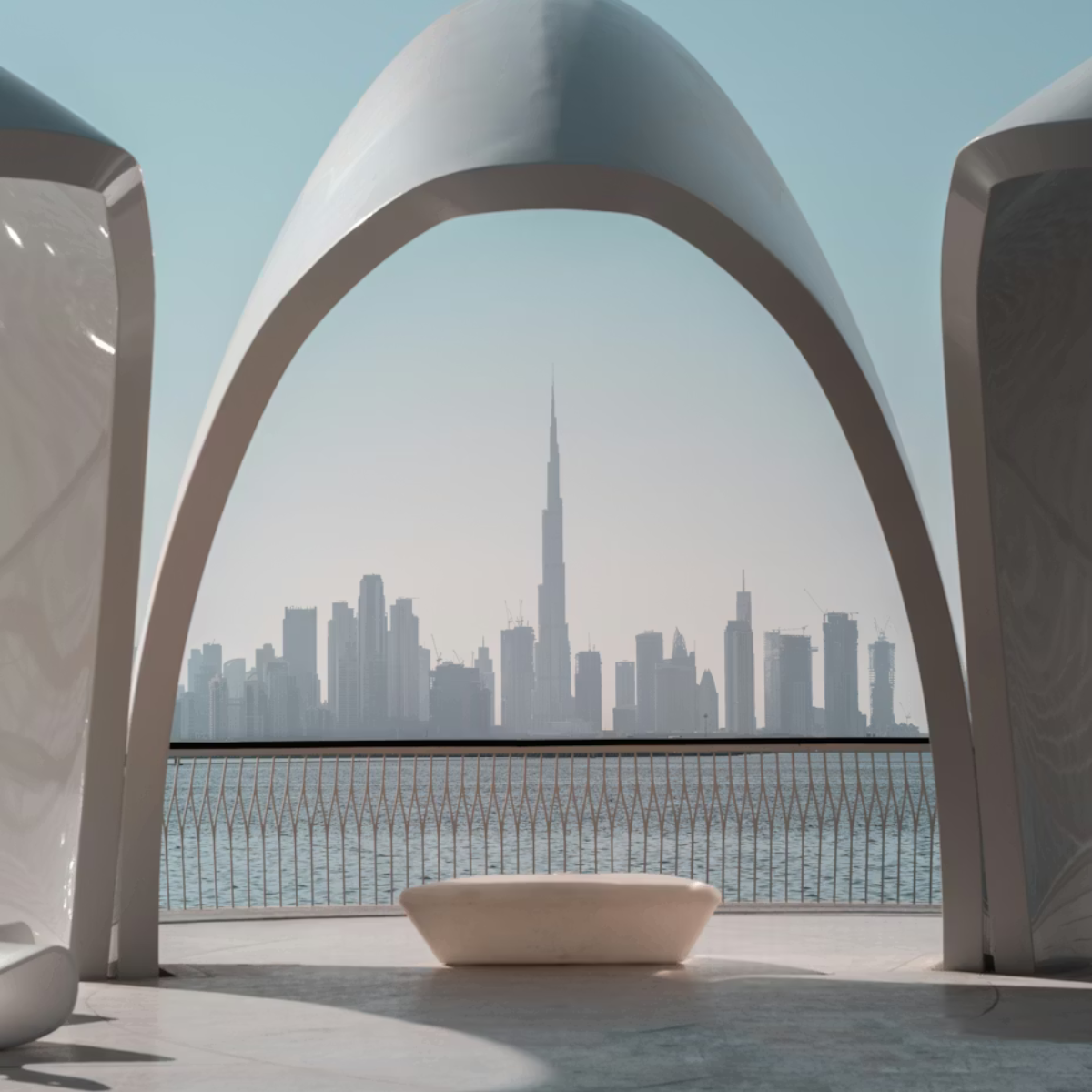

Over the past two years, the emirate has not just maintained momentum, it has accelerated it. What was once seen as strong performance now reflects something more established, more sustained, and increasingly recognised on a global level. When you look at the numbers alongside the long-term strategy shaping the city, a clearer picture begins to form. This is not short-term activity, it is growth that is both deliberate and enduring.
Dubai’s real estate market has transformed, gaining global recognition as a market defined by strong performance and increasingly attractive returns over recent years. In 2024, total real estate transactions reached approximately AED 761 billion, marking an increase of around 20% year-on-year. That momentum carried into 2025, where transaction values are estimated to have surpassed AED 800 billion, representing a further 5–8% increase. While growth has moderated slightly following an exceptional year, the key point is that activity has remained at scale.
As 2026 begins, early indicators suggest that this level of activity has remained consistent. January transaction volumes were already tracking ahead of the same period last year, with February following a similar pattern. While full quarterly figures are still being consolidated, the market continues to demonstrate depth across both off-plan and secondary segments.
Looking more closely, the pace of growth becomes even clearer. In Q1 2024, Dubai recorded approximately AED 109–110 billion in real estate transactions. By Q1 2025, this had risen to around AED 142–145 billion, representing an increase of roughly 30% in just one year. A rise of this scale signals more than momentum, it reflects a market that has been operating at a significantly higher level.
What makes this particularly notable is that it is not happening in isolation. Dubai’s population has grown from approximately 3.7 million at the end of 2022 to over 4.2 million in 2024, an increase of more than 14% in just two years. At the same time, the city welcomed 18.72 million international visitors in 2024, up 9% year-on-year. Demand is coming from multiple directions, from those choosing to base themselves in Dubai to those continuing to visit it. Together, this creates a level of consistency across the real estate market that is difficult to replicate.
This is where the conversation shifts from performance to intent. Growth at this level does not happen by chance, it is being actively shaped.
Through the Dubai Economic Agenda D33, Dubai has set out to double the size of its economy by 2033, targeting AED 32 trillion in economic activity and a significant increase in foreign direct investment. Alongside this, the Dubai 2040 Urban Master Plan defines how the city will evolve to support that expansion. It outlines a future built around a projected population of 5.8 million, improved connectivity through a 20-minute city model, a greater emphasis on quality of life, and a significant expansion of green and natural spaces across the emirate.
The result is a city that is not just growing quickly, but growing with intent.
When you align this level of planning with current performance, the implications for real estate become clear. The primary market continues to be driven by confidence in the future, with developers launching projects in anticipation of demand rather than reacting to it. The secondary market is becoming increasingly liquid as transaction volumes rise and the buyer base expands, creating greater stability across established communities. At the same time, the leasing market is being directly shaped by population growth, with increased demand supporting strong rental yields, high occupancy levels, and continued pressure on supply in key areas.
Dubai’s global standing continues to strengthen, ranking among the safest cities in the world while remaining one of the most visited destinations globally. It also continues to attract high-net-worth individuals at scale, with thousands of millionaires relocating to the UAE each year. Together, these factors reflect sustained international demand and directly support the real estate market.
What makes Dubai distinct is the alignment between all of these factors. Strong transaction volumes, continued population growth, global demand, and a clearly defined long-term strategy are all moving in the same direction. This creates a market that is not only active, but supported by long-term fundamentals.
Dubai has never positioned itself as a city that follows global trends. It builds ahead of them. And when you step back and look at the numbers, the direction, and the pace at which the market continues to evolve, one thing becomes increasingly clear.
This is not a short-term cycle. It is a long-term trajectory.